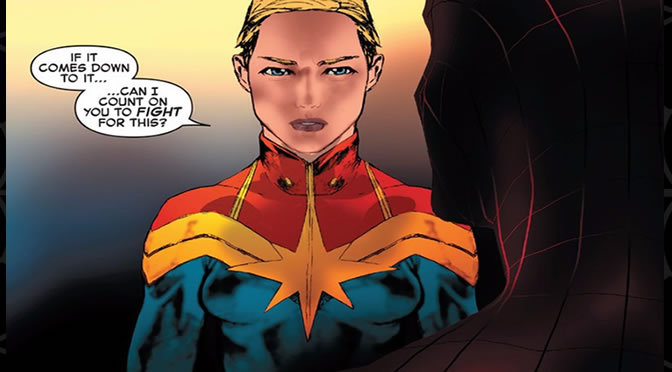
After the explosive chaos of recent issues, The Amazing Spider-Man #28 takes Peter Parker back to something more intimate, personal, and recognizably Spider-Man: trying to hold his life together while everything around him refuses to stay fixed.
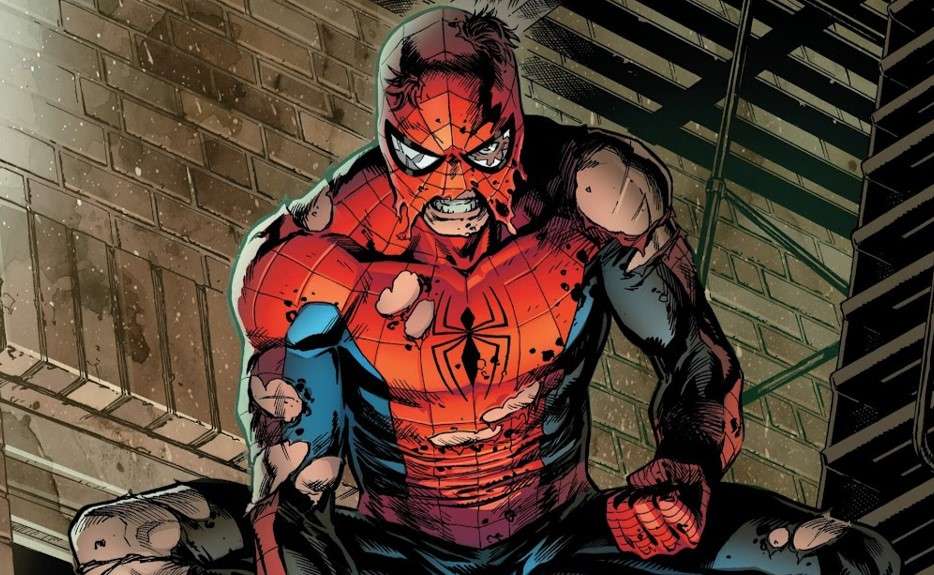
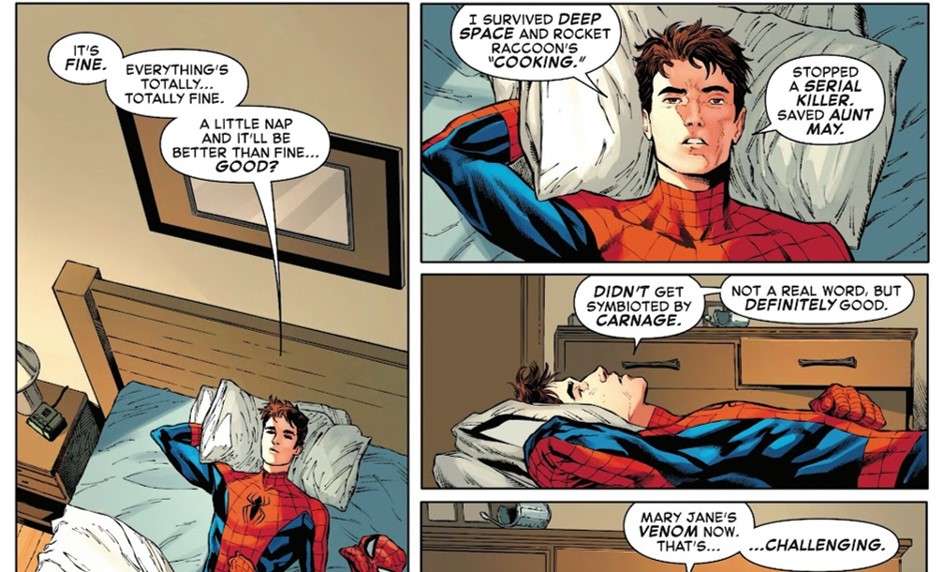
This issue opens with Peter physically back home, but emotionally still scattered. He has survived deep space, Rocket Raccoon’s “cooking,” a serial killer, Carnage-adjacent madness, and the fallout of Ben Reilly posing as him. On paper, he is back. In practice, he is exhausted, disoriented, and barely keeping up with the damage left behind. That makes the arrival of a message from the past feel less like a gimmick and more like the latest complication in a life that has become one giant loose thread.
PROS:
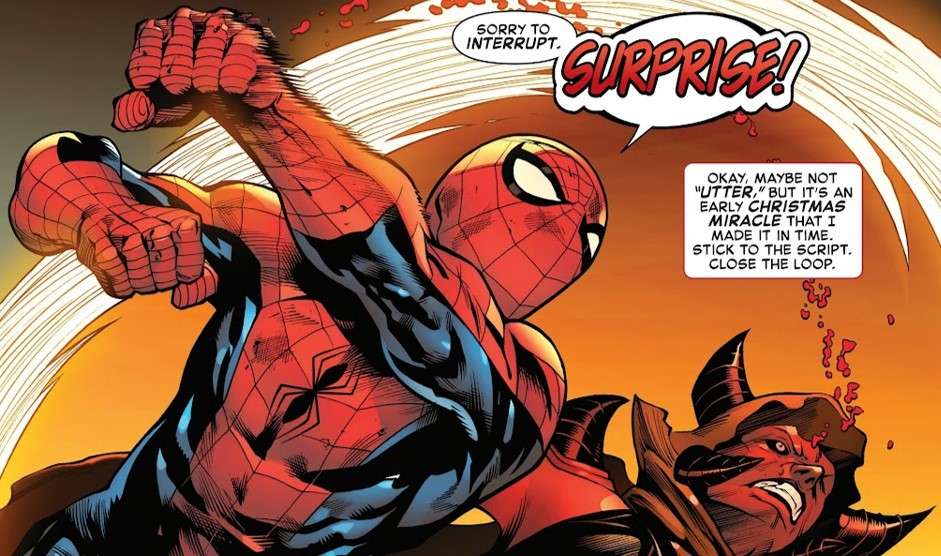
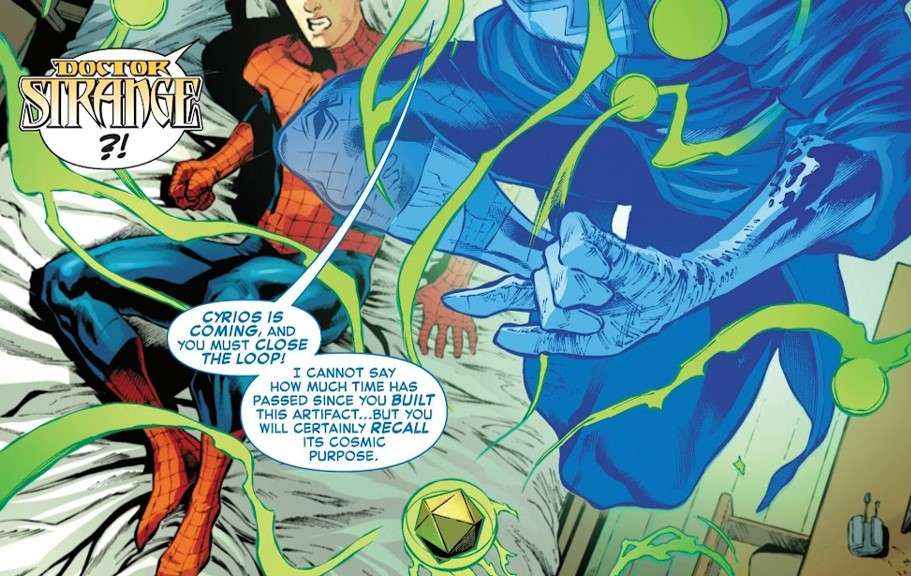
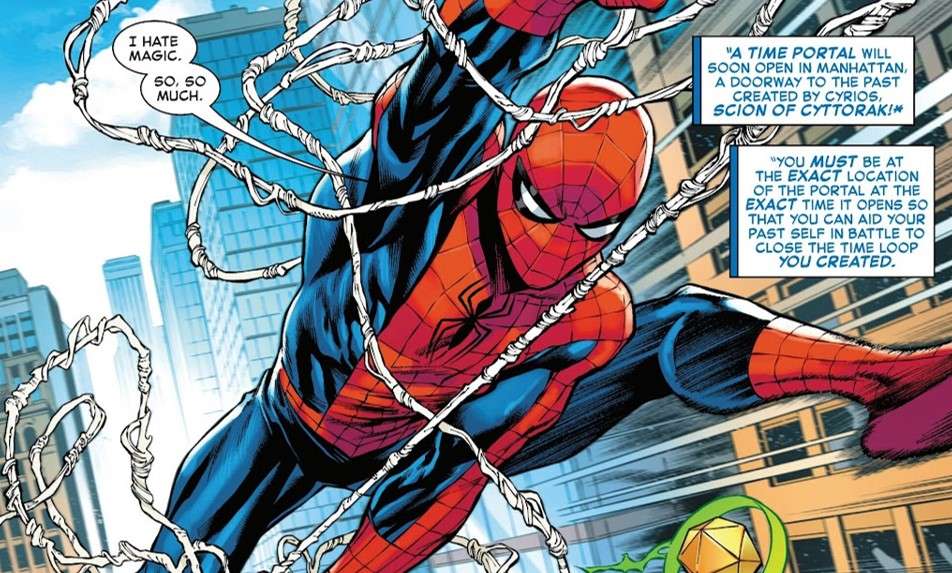
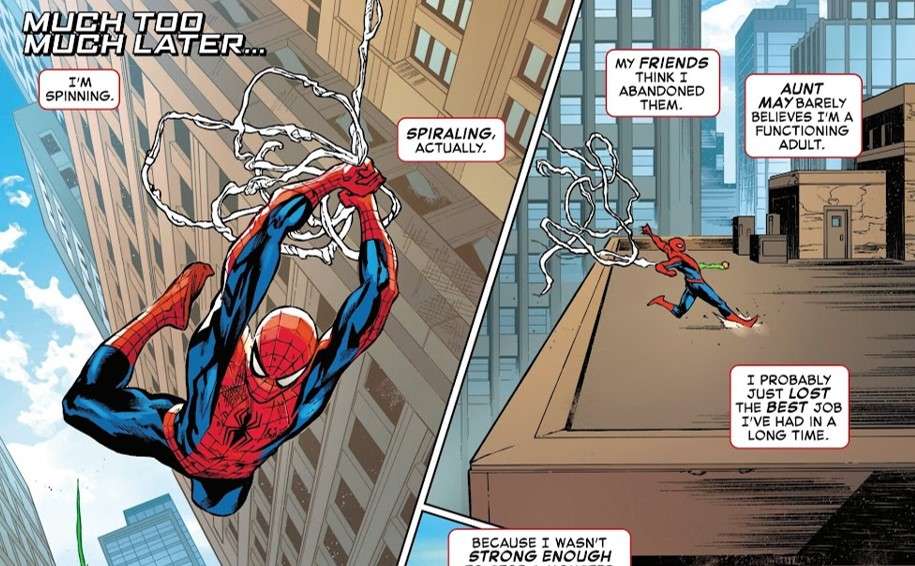
What works best here is how the issue balances big superhero concepts with Peter’s smaller, more human anxieties. The time-loop mission involving Cyrios, the Scions of Cyttorak, and the “Bill and Ted Maneuver” gives the story its comic book spectacle, but the emotional core is still Peter’s fear that he has lost control of his life. The action has scale, but the narration keeps pulling the focus back to Peter’s doubts: his friends may think he abandoned them, Aunt May may barely believe he is a functioning adult, and the job he actually liked may be slipping away because of things he could not control.
That personal fallout is where the issue feels strongest. Peter’s return to Rand Enterprises is painfully awkward in the best way. Maira Osmani-Milton and Astrid do not simply accept his explanations, and the reveal that someone used his credentials to sabotage company systems gives the issue a grounded consequence to all the clone-related chaos. Peter may have saved worlds, but he still has to deal with workplace accountability, damaged trust, and the uncomfortable reality that “I was not there because my clone was pretending to be me” is not exactly a reliable HR defense.
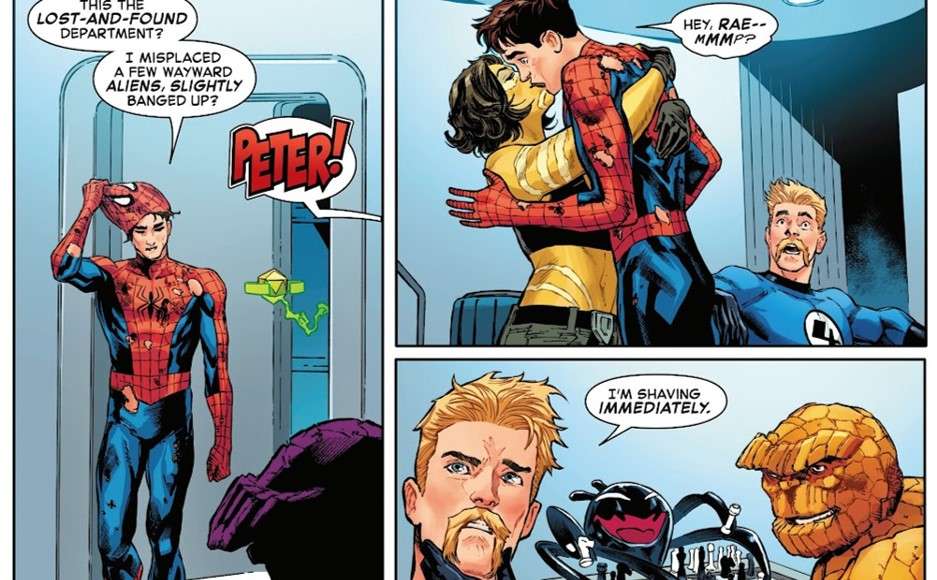
The issue also benefits from its use of humor. Peter’s inner monologue is messy, funny, and very Peter, especially when he is trying to convince himself that everything is fine when it very clearly is not. The Fantastic Four scenes add welcome levity, with the Baxter Building sequence playing almost like a much-needed breather after the heavier material. The Thing, Johnny Storm, Sue, and the rest of the team help remind readers that Peter still has people in his corner, even if his personal life feels like it is collapsing in slow motion.
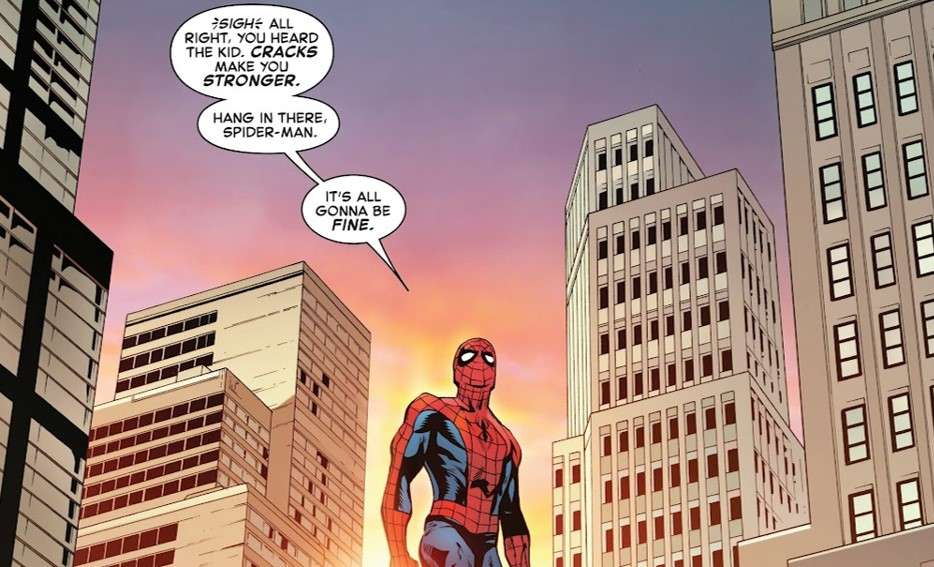
Kintsugi’s appearance is also a highlight. His conversation with Peter brings the issue’s theme into focus: broken things do not have to stay broken, and the cracks can become part of what makes someone stronger. It is a simple idea, but it lands because Peter is exactly the kind of character who needs to hear it. The moment does not magically fix him, but it gives him a little perspective before he heads back into the chaos.
CONS:
That said, the issue is not without drawbacks. Because it is carrying so many recent plot threads, it can feel a little crowded at times. The recap alone reminds readers of space adventures, Ben Reilly, Torment, Brian, Maira, Astrid, Raelith, Glitch, Symbie, and now the time paradox. For longtime readers, that continuity may be rewarding, but newer or more casual readers may feel like they are entering the story halfway through a very complicated conversation.
Another minor issue is that the time-loop plot, while fun, sometimes feels secondary to the emotional and workplace fallout. The Cyrios setup creates urgency, but the strongest material is clearly Peter dealing with the consequences of being absent from his own life. Because of that, the issue occasionally feels like it is juggling two different stories: one cosmic and time-bending, the other grounded and personal. Both are entertaining, but the personal side feels more affecting.
FINAL GRADE: B
Visually, the issue keeps things energetic and expressive. The action has a clean superhero rhythm, especially during the city sequence and the scenes with Titania and Crusher. The quieter panels also do their job well, particularly the rooftop conversation with Kintsugi and the final image of Peter standing against the sunset. That last page works because it gives Peter a moment of stillness without pretending his problems are over. The line “Cracks make you stronger” carries through to the ending, but so does Peter’s very Peter-like insistence that “it’s all gonna be fine.”
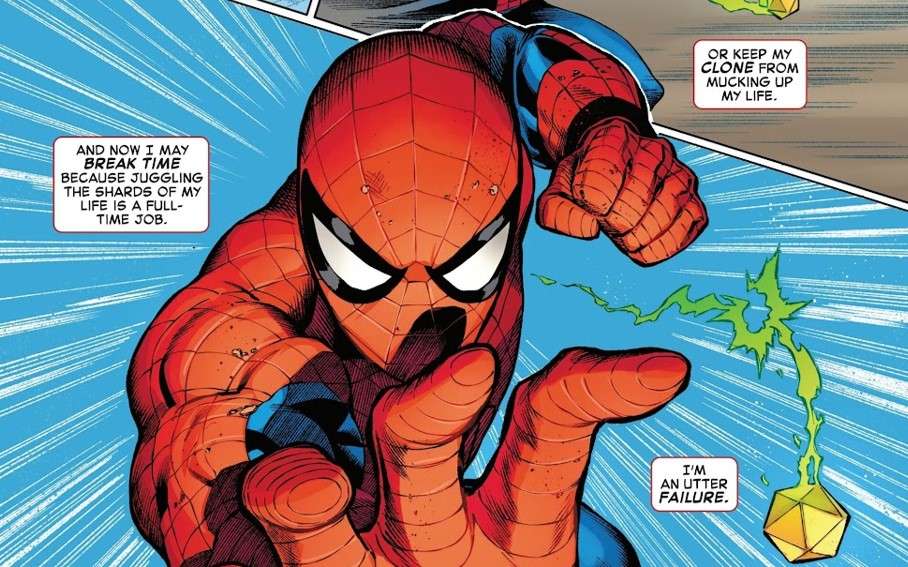
Overall, The Amazing Spider-Man #28 is a solid, emotionally aware issue that uses superhero chaos to explore Peter Parker’s more familiar struggle: trying to rebuild when every part of his life has been shaken loose. It may be a little continuity-heavy and slightly overstuffed, but it still delivers humor, heart, and a strong sense of forward momentum. More importantly, it understands that Spider-Man is not compelling because he never breaks. He is compelling because, cracked as he may be, he keeps standing back up.