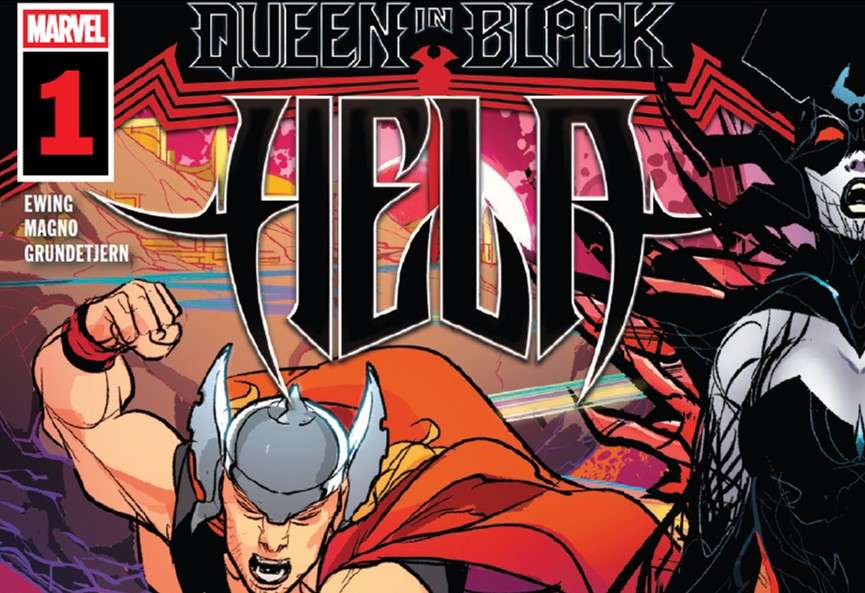
There are cosmic comics, and then there are comics that open with Norse poetry, send a skeletal Viking ship through a hole between hells, resurrect a dead Thor, and turn Hela into the ruler of a symbiote war machine. Queen in Black: Hela #1 is very much the second kind. Written by Al Ewing, with art by Carlos Magno and colors by Espen Grundetjern, this one-shot is less a straightforward superhero adventure and more a dark myth being whispered beside a funeral fire—only the funeral fire happens to be burning in outer space.
The cleverest decision is framing the story through Baldur and Karnilla. Baldur crosses the dangerous road between Asgard and Hel looking for answers about Hela, while Karnilla gives him the tale he came for. Their exchange gives the issue an old-saga quality, but it also adds a personal undercurrent. Karnilla is not simply delivering exposition. She is a woman who knows how dangerous foreknowledge can be, especially when love, pride, and fate all become tangled together.
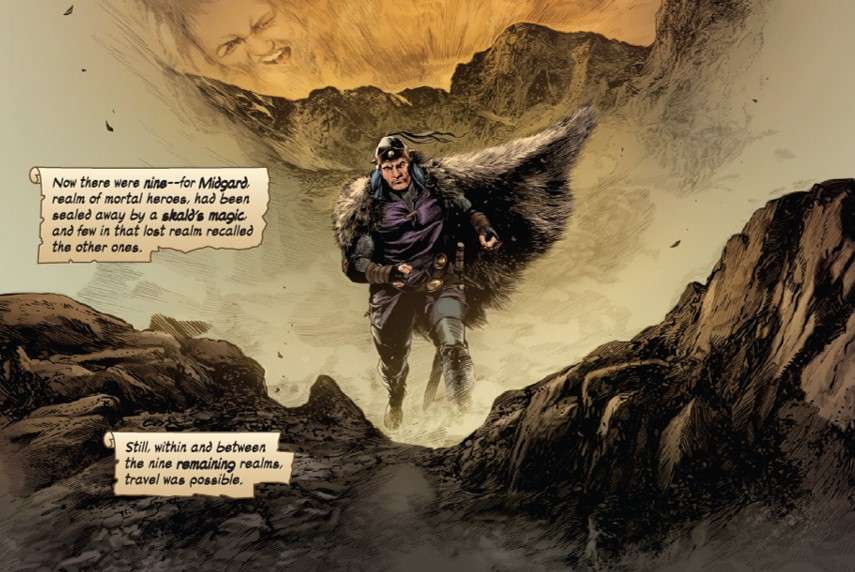
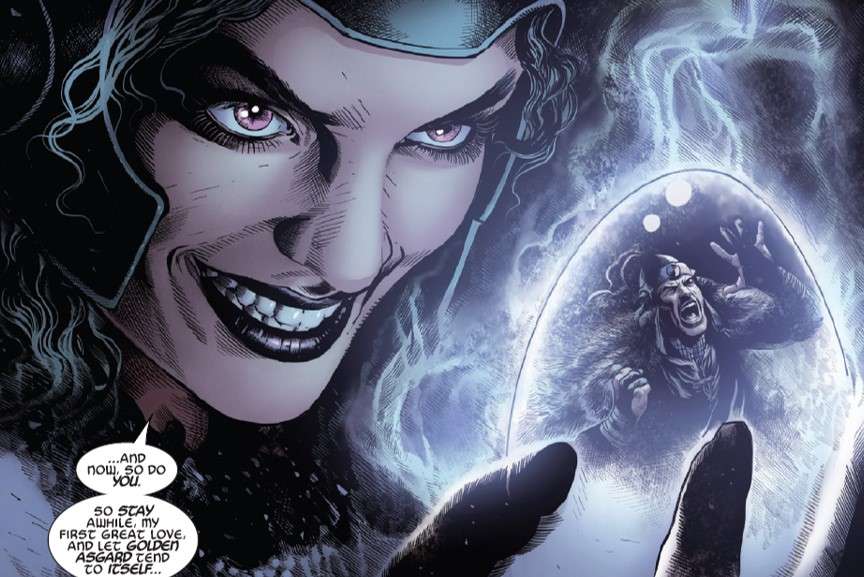
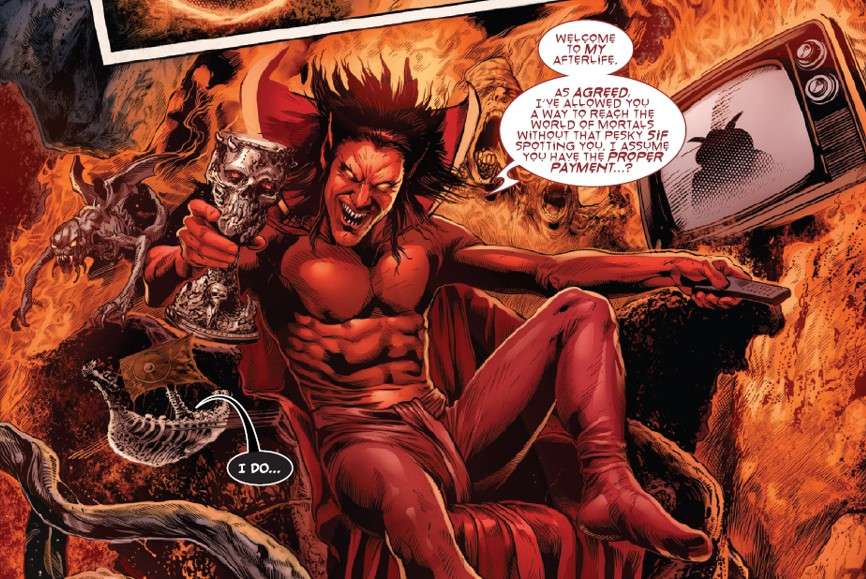
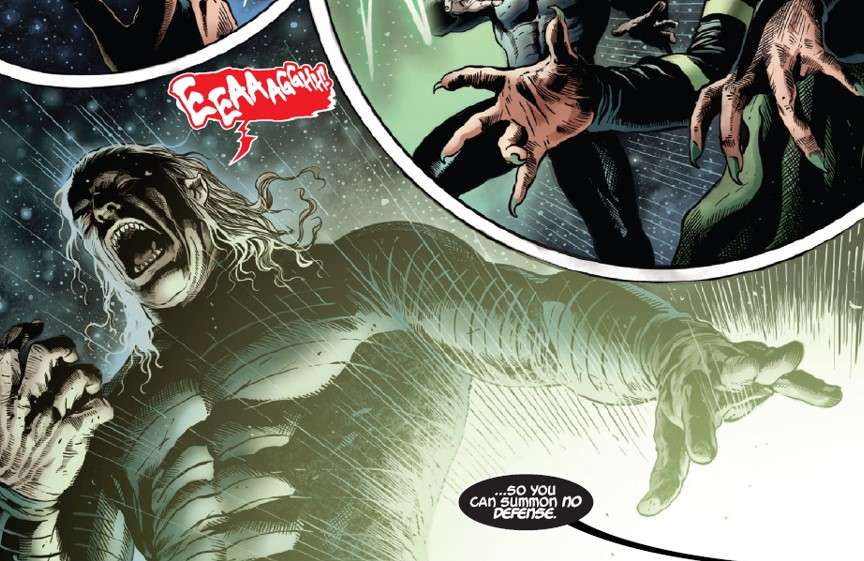
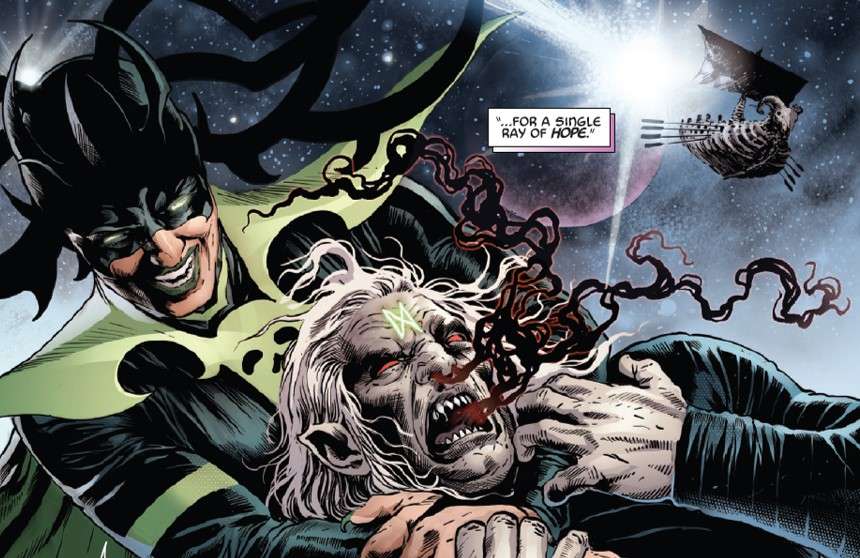
That tale reveals Hela’s hidden move. Knowing that Thor’s death, Loki’s spell, and the reshaping of the realms would create a rare opening, Hela travels through Mephisto’s bridge between hells and reaches the farthest edge of the mortal universe. There she finds Knull weakened after Eddie Brock destroyed him and took his throne. Hela does not arrive to comfort him. She uses the Dagaz rune—the rune of dawn, transformation, and illumination—to exploit the fallen god’s power, drain the darkness from him, and begin remaking herself.
This is where the issue shifts from mythic road story into full cosmic heavy metal. Hela emerges as the Queen in Black, seated on a throne surrounded by symbiotes, with Knull reduced to a prisoner and raw material for her conquest. She is not merely stealing somebody else’s army. She is painting an empire across the cosmos, replacing leaders, infiltrating worlds, and turning resentment into a weapon. Her ultimate plan is even bigger: reshape Midgard into a Norn Stone and gain power beyond power.
PROS
The biggest strength is atmosphere. Ewing writes the issue like a legend that has survived several apocalypses and become stranger every time it was retold. The language is grand without losing Hela’s personality. She remains cold, theatrical, arrogant, and dangerously practical. Even when she is explaining cosmic mechanics, she sounds like someone already planning where to place the throne.
Carlos Magno’s artwork is the real feast. The pages are packed with bones, storm clouds, dead realms, glowing runes, collapsing bridges, and symbiote monsters. Every setting feels ancient and impossibly large. The image of Hela approaching a weakened Knull in open space is especially strong, while her Queen in Black reveal looks like a Norse death goddess wandered into a Venom event and immediately decided she should be in charge.
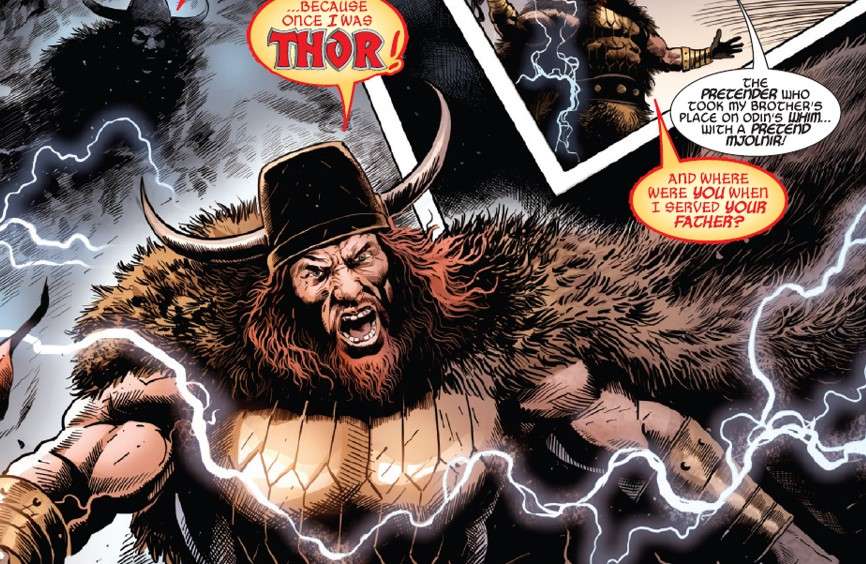
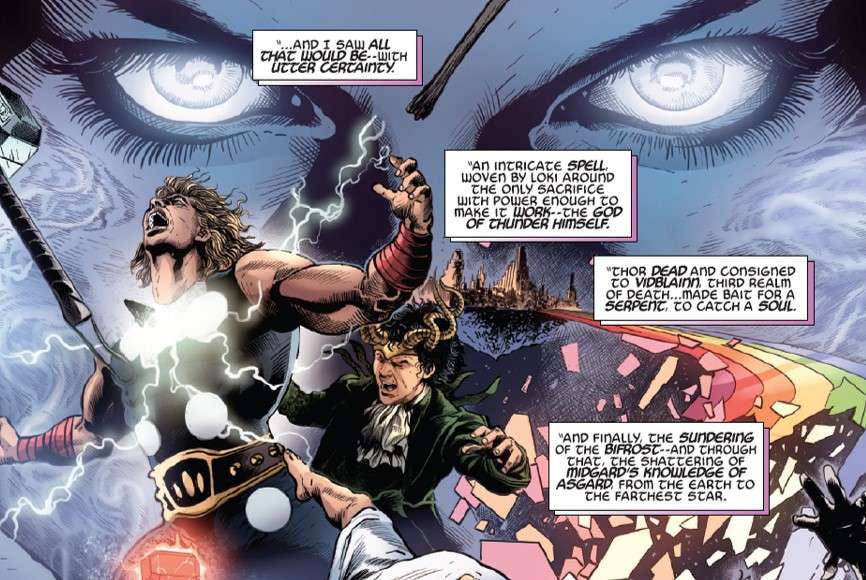
The parallel plots also work well. While Hela manipulates Knull, Tyr’s attempt to use Red Norvell as a substitute Thor adds a wonderfully messy layer of family drama. Norvell may carry Thor’s power, but he does not quietly accept being used as a weapon. The confrontation gives the issue some much-needed thunder and reminds us that every grand prophecy still depends on people making emotional, often terrible decisions.
Karnilla’s final warning gives the story its best hook. She has seen Hela’s scheme, but she also knows Baldur would race back to Asgard and die trying to save it. Her decision to keep him away is loving, manipulative, and completely in character. The final “Queen’s Gambit” idea also suggests that Hela may not be the only woman moving pieces across the board.
CONS
The issue is dense. Readers who are unfamiliar with recent Thor, Knull’s history, Red Norvell, or the shifting structure of the realms may feel as though they walked into the middle of a very elaborate Norse chess match. A large portion of the comic is narration, prophecy, and explanation rather than immediate action.
It also functions more as a launchpad than a complete adventure. Hela’s transformation and army-building are exciting, but the issue ends just as her campaign is ready to begin. That makes the one-shot feel like an impressive opening chapter rather than a fully satisfying meal.
Still, Queen in Black: Hela #1 is a gloriously dramatic piece of cosmic mythology. It gives Hela a plan worthy of her ego, turns Knull’s legacy into something fresh, and makes its universe feel enormous, dangerous, and beautifully weird. The Queen in Black has entered the game—and judging by the final pages, she may already be several moves ahead.
FINAL GRADE: A FOR ASGARD!!! AND NEXT UP IS THOR!!! THIS COSMIC EVENT IS STARTING STRONG!!!